
GREENLAND
About Greenland...
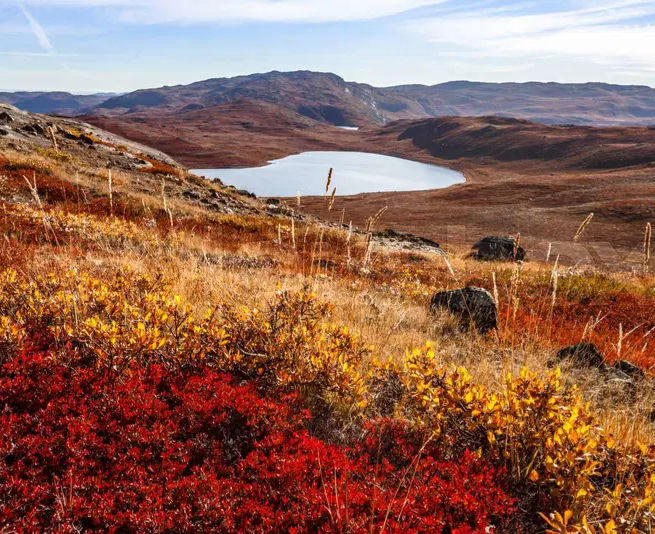
Greenland is a land of awe-inspiring contrasts, where towering icebergs drift through deep-blue fjords, colourful Arctic towns cling to rugged coastlines, and silence stretches across vast, untouched landscapes. Though it is the world’s largest island, more than 80% is covered by an immense ice sheet, leaving its communities scattered along a dramatic coastline alive with culture and history.
Travel here is unlike anywhere else. With no roads connecting towns, journeys unfold by boat, helicopter, or small plane, turning every transfer into an adventure of its own. Visitors can witness calving glaciers, sail among ice giants, hike pristine valleys, meet Inuit communities, and experience the midnight sun or the dancing Northern Lights depending on the season.
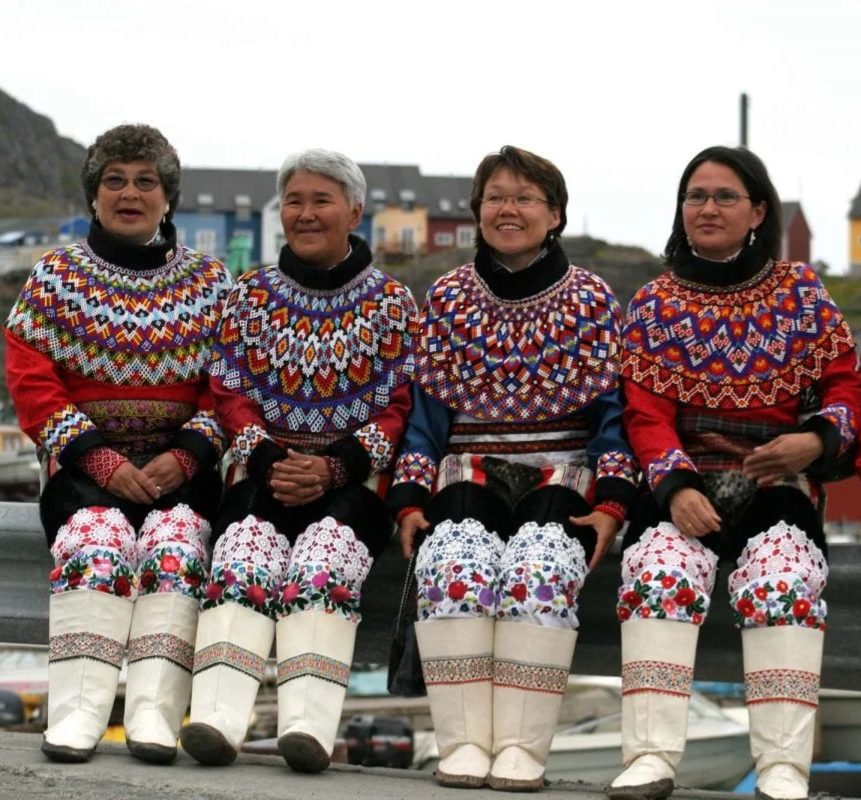
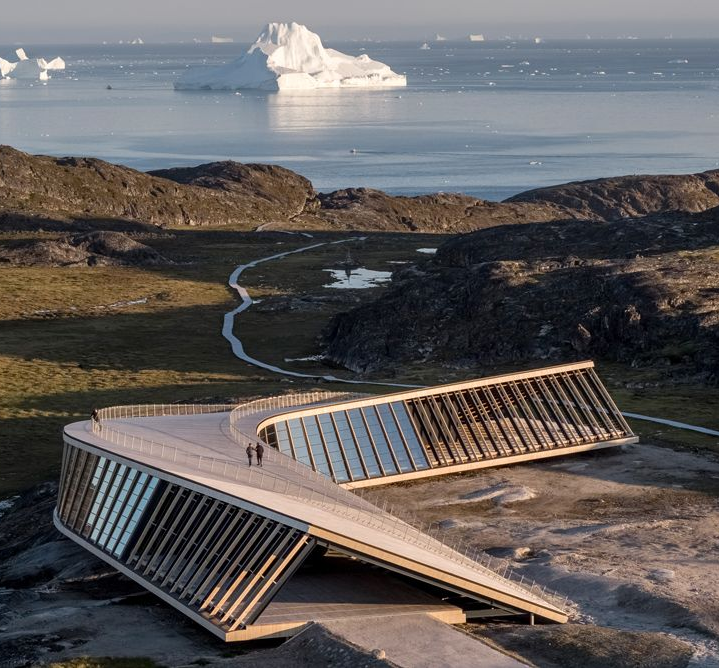
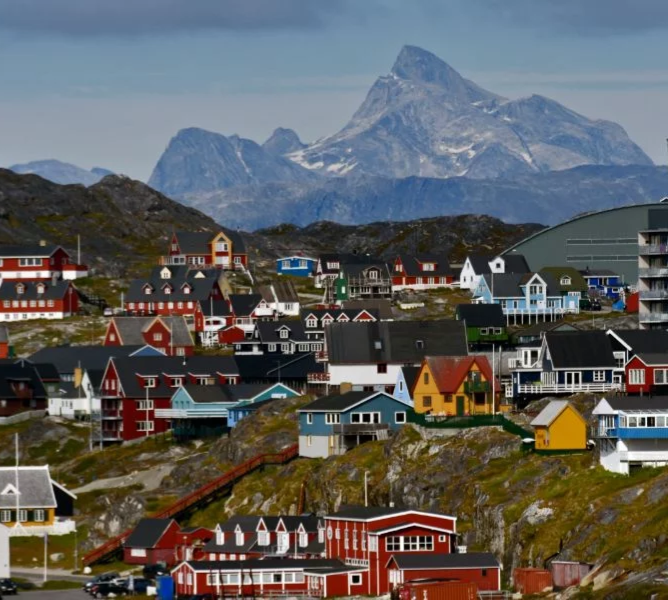
Greenland’s towns each offer a unique window into Arctic life. Nuuk, the world’s smallest capital by population, is also one of the Arctic’s most vibrant cultural hubs, with a blend of Inuit culture and modern Nordic energy. Ilulissat is home to the UNESCO-listed Icefjord and mesmerises with giant calving icebergs. Disko Bay dazzles with soaring icebergs and rich Arctic wildlife, while the Icefjord Museum in Ilulissat offers an immersive look into Greenland’s ice and climate story. Kangerlussuaq serves as the main gateway, offering easy access to the vast Greenland Ice Sheet, and Sisimiut brings adventure with year-round hiking, dogsledding, and a lively coastal culture. Together these towns make Western Greenland the economic and cultural hub of the country.
Further north, Uummannaq captivates with its iconic heart-shaped mountain and traditional village charm, and Upernavik’s remote archipelago showcases colourful settlements and some of Greenland’s most untouched wilderness. Qaanaaq, often called Thule, is one of the northernmost towns in the world. Quiet, and breathtakingly stark, it is one of Greenland’s most isolated communities; an unforgettable destination for adventurers seeking true Arctic wilderness.
Southern Greenland is dotted with charming towns like Narsarsuaq, home to lush valleys shaped by Norse history; Nanortalik, known for its stunning mountains, ice-filled fjords, and warm village atmosphere; and Narsaq, a colourful settlement surrounded by rolling green hills, glaciers, and rich Viking heritage. Qaqortoq charms visitors with art-filled streets, hot springs, and rolling green landscapes. Together, they showcase the gentler, greener side of Greenland.
East Greenland is one of the most remote and rugged regions of the Arctic, where high peaks, deep fjords, and powerful glaciers define the landscape. Tasiilaq, the cultural heart of the east, offers stunning valley hikes, vibrant Inuit traditions, and sweeping coastal scenery. Nearby Kulusuk provides a raw, authentic glimpse into Greenlandic village life, surrounded by impressive mountains and floating ice. Farther north lies Ittoqqortoormiit, one of the most isolated settlements in the world, serving as a gateway to the vast wilderness of the Northeast Greenland National Park. Together, these communities showcase the wild, untouched spirit of East Greenland.
For nature lovers, explorers, and cultural travellers, Greenland remains one of the most diverse and extraordinary destinations on Earth...a place that feels distant until experienced, but impossible to forget once discovered.
Nuggets of information:
- For the original inhabitants, Greenland is known as Kalaallit Nunaat, meaning ‘country of the Greenlanders'.
- Greenland is the largest island in the world (when excluding continents), yet nearly 80% of it is covered by ice and glaciers.
- The total population is just around 56,000 people, making the country one of the most sparsely populated places on earth.
- They hosts one of the world’s toughest ski races.
- Much of the island has no roads connecting settlements. Towns and villages are primarily linked by plane, boat, helicopter or snowmobile depending on season.
- Greenland has just one inland town—Kangerlussuaq.
- Greenlandic Coffee is a festive treat, combining whiskey, Grand Marnier, Kahlua, a topping of whipped cream, and of course, coffee.
- The coastline is carved by deep fjords, and massive glaciers frequently calve enormous icebergs, especially around places like the Ilulissat Icefjord.
- The country's ingenious Inuit hunters invented the kayak, with the word itself coming from the Greenlandic term ‘qajaq.’
- In summer, parts of the country experiences the Midnight Sun (continuous daylight), while in winter, the dark polar nights offer prime chances to witness the Aurora Borealis (Northern Lights).
- Greenlandic (mainly Kalaallisut) is the official language, though many people also speak Danish.
- Humans have inhabited Greenland for more than 4,500 years, with rich Inuit and Norse histories.
- Over 2.5 million years ago, Greenland was much greener than today, covered with forests and lush vegetation.
- The south is home to naturally occurring hot springs, offering unique geothermal experiences amid Arctic landscapes.
- The island boasts 3 UNESCO World Heritage Sites, including the Ilulissat Icefjord, reflecting its natural and cultural significance.
- Greenland holds the largest national park on Earth, the Northeast Greenland National Park.
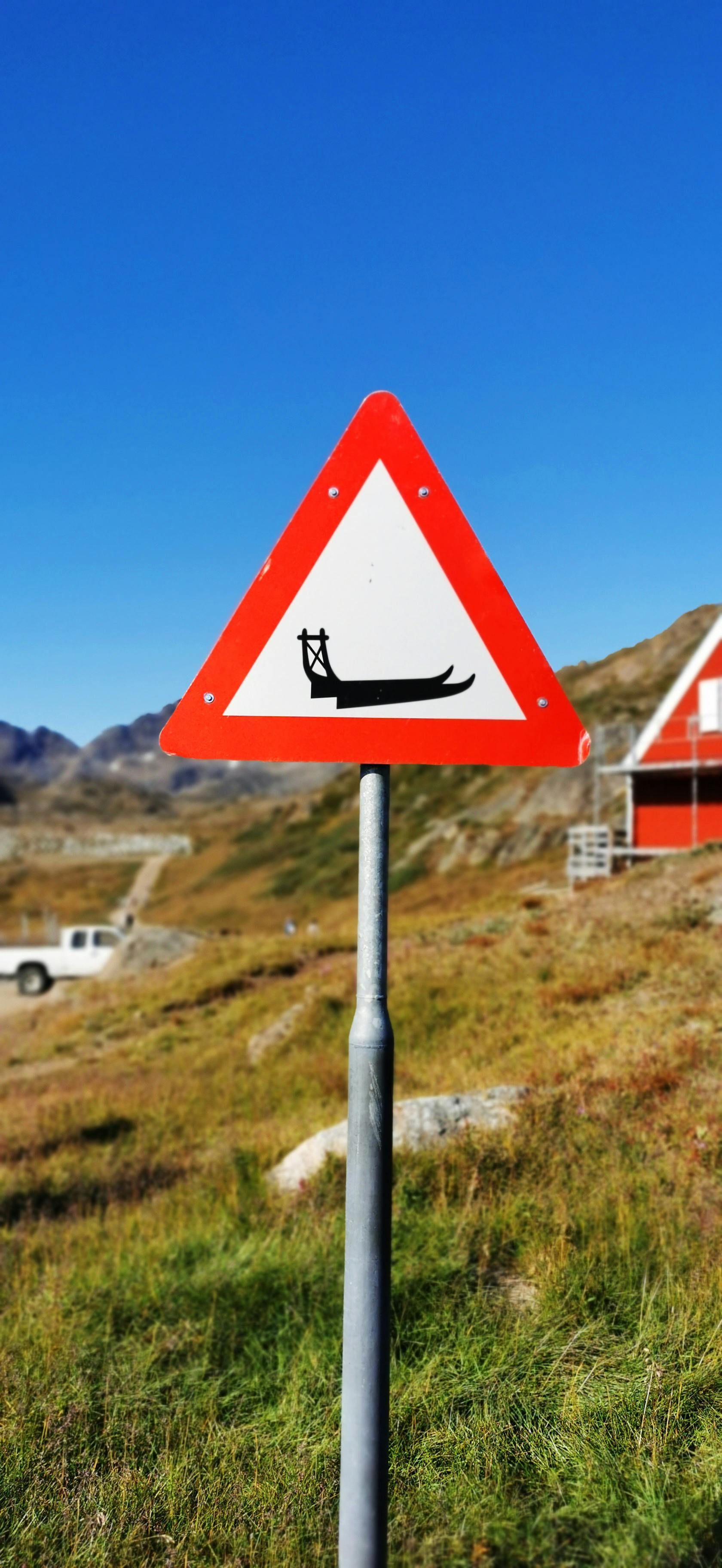
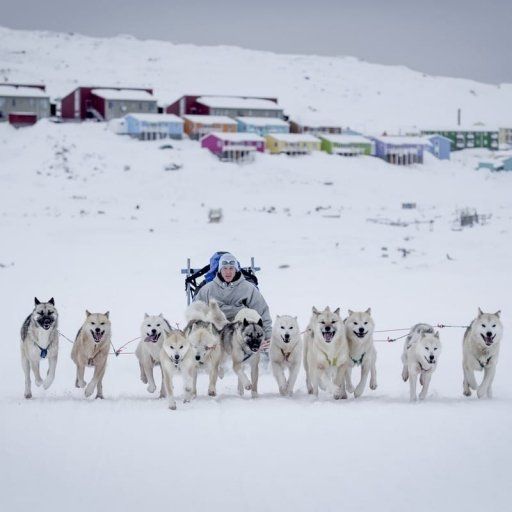
- The Greenlandic Sled Dog, bred for endurance and resilience, is the only dog allowed north of the Arctic Circle and in East Greenland. Strict regulations protect its purity, preserving this iconic breed as a vital part of Greenlandic culture.
Our Itineraries
Itineraries: As destination experts, we make planning your Greenland adventure effortless, guiding you with workable options, interesting experiences, and practical insights.
Contact us to plan your unforgettable journey to the world’s last great wilderness.
Multicountry tours and extensions:
With direct flights from Nuuk, Ilulissat, and Kangerlussuaq to Reykjavík and Copenhagen, both of which connect smoothly to the Faroe Islands and Norway, destinations can be combined to offer a rich variety of experiences.
Iceland, the land of fire and ice, offers a spectacular mix of natural wonders and unique experiences. Visitors can explore geothermal hot springs, massive glaciers, thundering waterfalls, and volcanic landscapes. Adventure seekers can hike across rugged terrain, go whale watching, or chase the Northern Lights, while culture lovers can enjoy Reykjavík’s vibrant art scene and Icelandic cuisine.
The Faroe Islands are a remote North Atlantic archipelago where dramatic cliffs, misty fjords, and grass-roofed cottages meet centuries-old Viking heritage. With more sheep than people, unpredictable weather, and breath-taking landscapes at every turn, the Faroes feel like a well-kept secret waiting to be discovered.
Oslo, Norway’s vibrant capital, offers a perfect blend of modern culture, history, and scenic beauty. It is also the gateway to the Arctic. From here, explore fjords, chase the Northern Lights, and experience the wild beauty of Norway’s Arctic routes, complemented by the otherworldly landscapes of Greenland.
What our clients say: Check out our testimonials page
Trotting Soles in the media: Click here
Trotting Soles Blogs: Click here
General Guidance:
Visa:
UK passport holders do not require a visa for Greenland for travel up to 90 days. Click on the link for a visa guide for Greenland/Denmark.
Insurance:
It is a mandatory requirement for all travellers booking with a UK-based tour operator to hold adequate travel insurance. Your policy must provide cover for loss of luggage and personal belongings, medical treatment or hospitalisation, repatriation, flight delays or cancellations, and trip curtailment or cancellation due to unforeseen circumstances. Please be aware that certain destinations or regions may be subject to government travel advisories, in which case standard travel insurance may not offer sufficient protection. If your itinerary includes such areas, or if an advisory is issued after your booking is confirmed, we will notify you. However, it remains your responsibility to ensure that your insurance policy provides comprehensive and appropriate coverage for all aspects of your travel plans.
Travel advisory:
We recommend consulting the travel advisory of the country you are travelling to/wish to. Click here for the relevant weblinks – UK, USA, Canada, Australia and New Zealand. Citizens of other countries must check their respective governments’ advice.
Medical advice:
We recommend consulting your medical practitioner or a travel health clinic for up-to-date advice on vaccinations and any necessary medications.
Greenland Through the Lens


Video courtesy of Visit Greenland
© Visit Greenland
Explore Greenland through this breath-taking video
Adventure in Greenland isn’t something you plan — it’s a way of life. It’s just another day in a Greenlander’s world.
Sail past towering ice fjords, encounter Arctic wildlife, and explore vibrant coastal towns shaped by enduring traditions and a profound connection to nature.
This film, courtesy of Visit Greenland, takes you inside daily life on the world’s largest island, where culture and nature are inseparable.
Now it’s your turn to experience it. Let Greenland be your next great adventure.