THE FAROE ISLANDS
About The Faroe Islands...
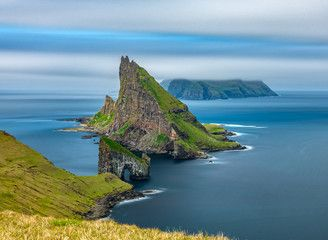
The Faroe Islands are a stunning North Atlantic archipelago known for their rugged scenery and Nordic charm. Towering sea cliffs, misty fjords, dramatic coastlines, and green, windswept landscapes surround traditional villages where turf-roofed houses and rich Viking heritage create a sense of timelessness. Vágar Airport is the main gateway to the Faroe Islands. Though it is the islands’ only airport, it remains small, efficient, and wonderfully easy to get around. The island of Vágar offers quick access to some of the Faroes’ most iconic sights, including the famous Múlafossur waterfall, the picturesque village of Gásadalur and Lake Sørvágsvatn; often called the “floating lake”, it is one of the Faroe Islands’ most notable natural wonders. From the cliffs above, the lake appears to hover high above the Atlantic Ocean due to an optical illusion created by the surrounding landscape. The steep cliffs of Trælanípa give the striking impression that the lake is floating in mid-air.
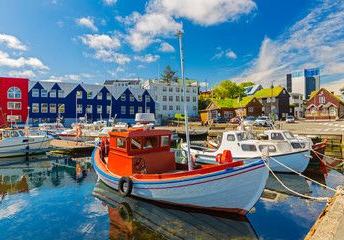
Tórshavn, the charming capital of the Faroe Islands, is one of the smallest and cosiest capitals in the world. Nestled between rolling hills and a sheltered harbour, the city blends Nordic modernity with centuries-old history. Wander through Tinganes, the old town with its colourful wooden houses and grass roofs, or explore the lively cafés, boutiques, and cultural spots scattered around the waterfront. Despite its compact size, Tórshavn offers excellent dining, vibrant arts, and a warm, welcoming atmosphere, making it the perfect base for exploring the entire archipelago.
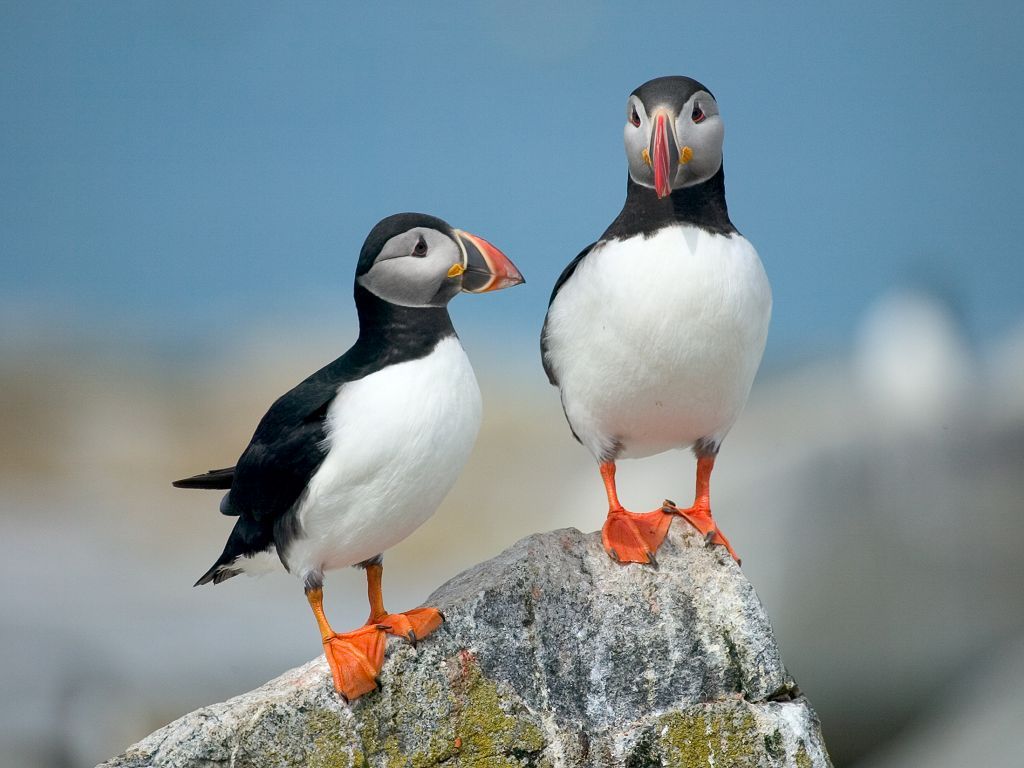
The other islands include Eysturoy, wich is the second-largest island, and home to colourful villages. It features the famous mountain Slættaratindur, the highest point in the Faroe Islands, and the striking village of Gjógv with its natural harbour. Skúvoy is a tranquil island with rich birdlife and sweeping green hills, known for its important seabird colonies, especially puffins and guillemots. Suðuroy, the southernmost island of the Faroes, offers soaring sea stacks and a distinctly rugged character. Kalsoy, the “Flute Island” of the Faroe Islands, is a hiker’s paradise. At its northern tip stands one of the most photographed landmarks in the Faroes, the Kallur Lighthouse. Mykines is home to large colonies of puffins, guillemots, and gannets, making it one of the best birdwatching spots in the Faroes.
The Faroe Islands boast a rich culture rooted in fishing, farming, and seafaring traditions, with music, art, and folklore reflecting their unique heritage. Despite their small population, just under 55,000, the Faroes maintain a dynamic economy with a focus on natural resources, sustainability, and cultural preservation. It is a land where nature, tradition, and adventure meet and offer an unforgettable experience at the edge of the North Atlantic.
Nuggets of information:
- The name ‘Faroe’ means ‘sheep,’ and fittingly, sheep outnumber people on the islands.
- The population of the Faroe Islands consists of 80 different nationalities.
- Faroese, the native language of the Faroe Islands, is one of the closest living languages to Old Norse. Spoken by fewer than 80,000 people, it is considered one of the world’s most endangered language.
- To help Google map the islands, locals fitted cameras onto sheep, creating the internationally celebrated project known as 'Sheep View 360'.
- Many traditional houses feature turf roofs, a practice dating back to Viking times. Sheep – not mowing machines – are used for mowing the turf roof grass!
- The Islands’ rugged, treeless landscapes are shaped by their volcanic origins and strong, salty winds, resulting in an environment without forests.
- The turf-roofed ‘parliament jetty’ of Tinganes is believed to be one of the world’s oldest parliamentary meeting sites, dating back to around 825 AD.
- The Faroese Chain Dance is an ancient tradition dating back to the Middle Ages. Dancers hold hands in large groups, moving in rhythm to Faroese ballads.
- There's no prison on the islands as serious crime is rare.
- The Faroe Islands is home to the world’s first underwater traffic roundabout. Located 72 meters below the ocean, it combines ground-breaking engineering with a striking art installation.
- Launched in 2019, ‘Closed for Maintenance, Open for Voluntourism’ invites volunteers each year to help restore trails, viewpoints, signages, and undertake erosion-control and conservation projects.
- The final scenes of No Time to Die were filmed on the dramatic cliffs of Kalsoy Island. In tribute, locals have erected a James Bond memorial—a tombstone modelled after the design of Bond’s parents’ tombstone from Skyfall.
- The Prime Minister’s phone number is publicly listed, reflecting the approachable and close-knit nature of Faroese society.
- The Faroe Islands is one of the world’s leading nations in producing sustainable electricity with over 50% of the nation’s electricity deriving from renewable energy sources. The aim is that the nation’s electricity will be sourced solely from renewable energy by 2030.
- In the capital, Tórshavn, city bus transport is free of charge.
- Niels R. Finsen, a Faroese physician, was awarded the Nobel Prize in Physiology or Medicine in 1903 for his pioneering work in light therapy.
Our Itineraries
Itineraries: As destination experts, we specialize in crafting bespoke itineraries tailored to your vision, style, and interests.
Contact us to plan your
unforgettable Faroe Islands journey.
Multicountry tours and extensions:
With direct flights linking Vágar to Reykjavík, Oslo, and Copenhagen (providing onward connections to Greenland), the Faroe Islands pair perfectly with the North Atlantic countries, making them ideal for crafting unique and adventurous itineraries.
Iceland, the land of fire and ice, offers a spectacular mix of natural wonders and unique experiences. Visitors can explore geothermal hot springs, massive glaciers, thundering waterfalls, and volcanic landscapes. Adventure seekers can hike across rugged terrain, go whale watching, or chase the Northern Lights, while culture lovers can enjoy Reykjavík’s vibrant art scene and Icelandic cuisine.
Greenland is a land of extremes and surprises. While it’s the world’s largest island, a massive ice sheet covers most of its surface, leaving only about 20% habitable. Travel here isn’t as simple as hopping in a car or catching a train, but its vibrant towns and rich activities make it rewarding for visitors. Nature lovers will find a paradise of glaciers, fjords, and Arctic wildlife. Until experienced first hand, Greenland remains a cold and distant land in most people’s imagination.
Oslo, Norway’s vibrant capital, offers a perfect blend of modern culture, history, and scenic beauty. It is also the gateway to the Arctic. From here, explore fjords, chase the Northern Lights, and experience the wild beauty of Norway’s Arctic routes, complemented by the otherworldly landscapes of the Faroe Islands.
What our clients say: Check out our testimonials page
Trotting Soles in the media: Click here
Trotting Soles Blogs: Click here
General Guidance:
Visa:
UK passport holders do not require a visa for The Faroe Islands for travel up to 90 days. Click on the link for a visa guide for The Faroe Islands/Denmark.
Insurance:
It is a mandatory requirement for all travellers booking with a UK-based tour operator to hold adequate travel insurance. Your policy must provide cover for loss of luggage and personal belongings, medical treatment or hospitalisation, repatriation, flight delays or cancellations, and trip curtailment or cancellation due to unforeseen circumstances. Please be aware that certain destinations or regions may be subject to government travel advisories, in which case standard travel insurance may not offer sufficient protection. If your itinerary includes such areas, or if an advisory is issued after your booking is confirmed, we will notify you. However, it remains your responsibility to ensure that your insurance policy provides comprehensive and appropriate coverage for all aspects of your travel plans.
Travel advisory:
We recommend consulting the travel advisory of the country you are travelling to/wish to. Click here for the relevant weblinks – UK, USA, Canada, Australia and New Zealand. Citizens of other countries must check their respective governments’ advice.
Medical advice:
We recommend consulting your medical practitioner or a travel health clinic for up-to-date advice on vaccinations and any necessary medications.
The Faroe Islands Through the Lens